
Irrigation
Smart Watering Practices
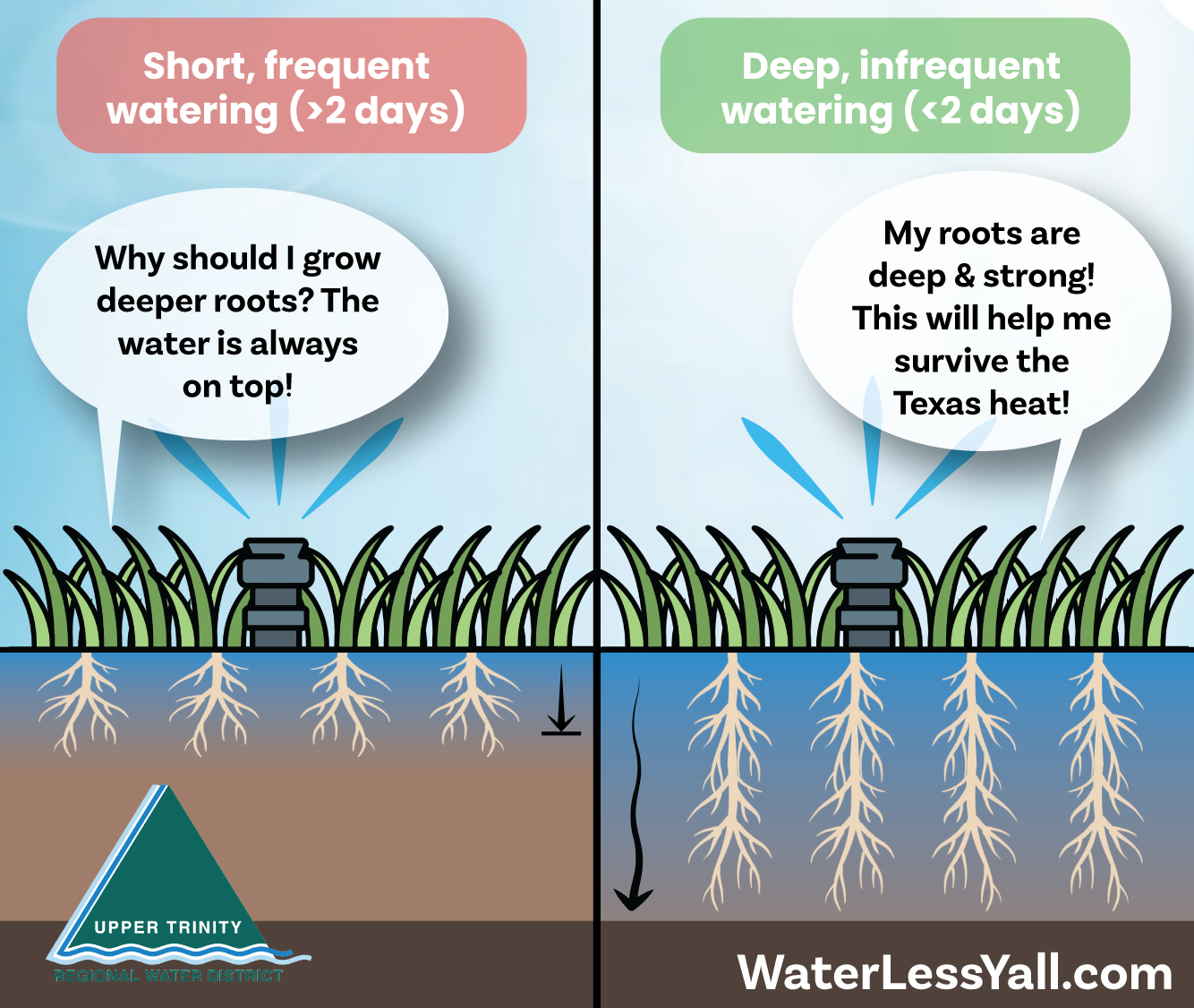
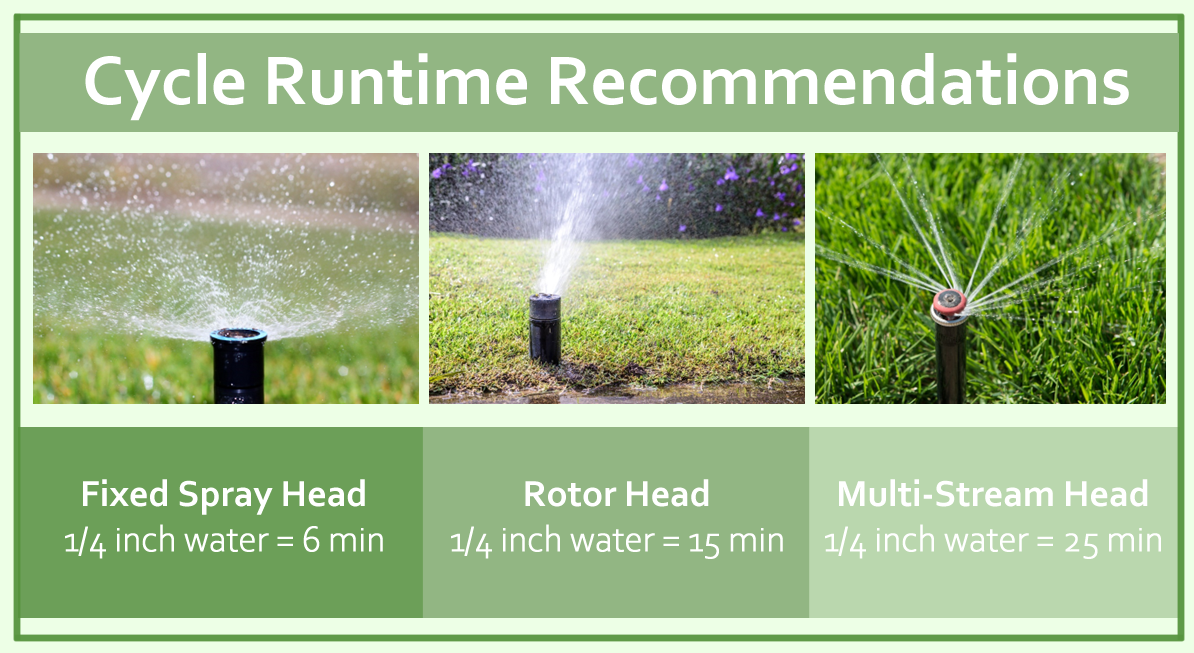
Smart watering means only watering when needed. Watering two days per week or less and following runtime recommendations from ‘Water My Yard’ will help you save water and money.
Sprinkler Controller Basics
Programming an irrigation controller for your sprinklers is easier than you think once you know some basic terms. This video explains basic terms and functions of sprinkler controllers so you can avoid watering too much.
- Sprinkler Controller Basics (Video)
- Controller basics (Publication from Texas A&M AgriLife)
Check your Sprinklers
Checking your sprinkler (irrigation) system every month keeps your sprinklers working properly to water your yard and landscape, and not waste water to evaporation or runoff. Inspecting your sprinklers will also help you find leaks in your system. Learn what to look for when you check your sprinklers in this video!
DIY Sprinkler Repair
A lot of sprinkler repairs and adjustments can be done without the help of a professional! Check out this playlist of irrigation system tips for step-by-step instructions on how to make these easy repairs yourself, without spending a lot of money.
Cycle & Soak
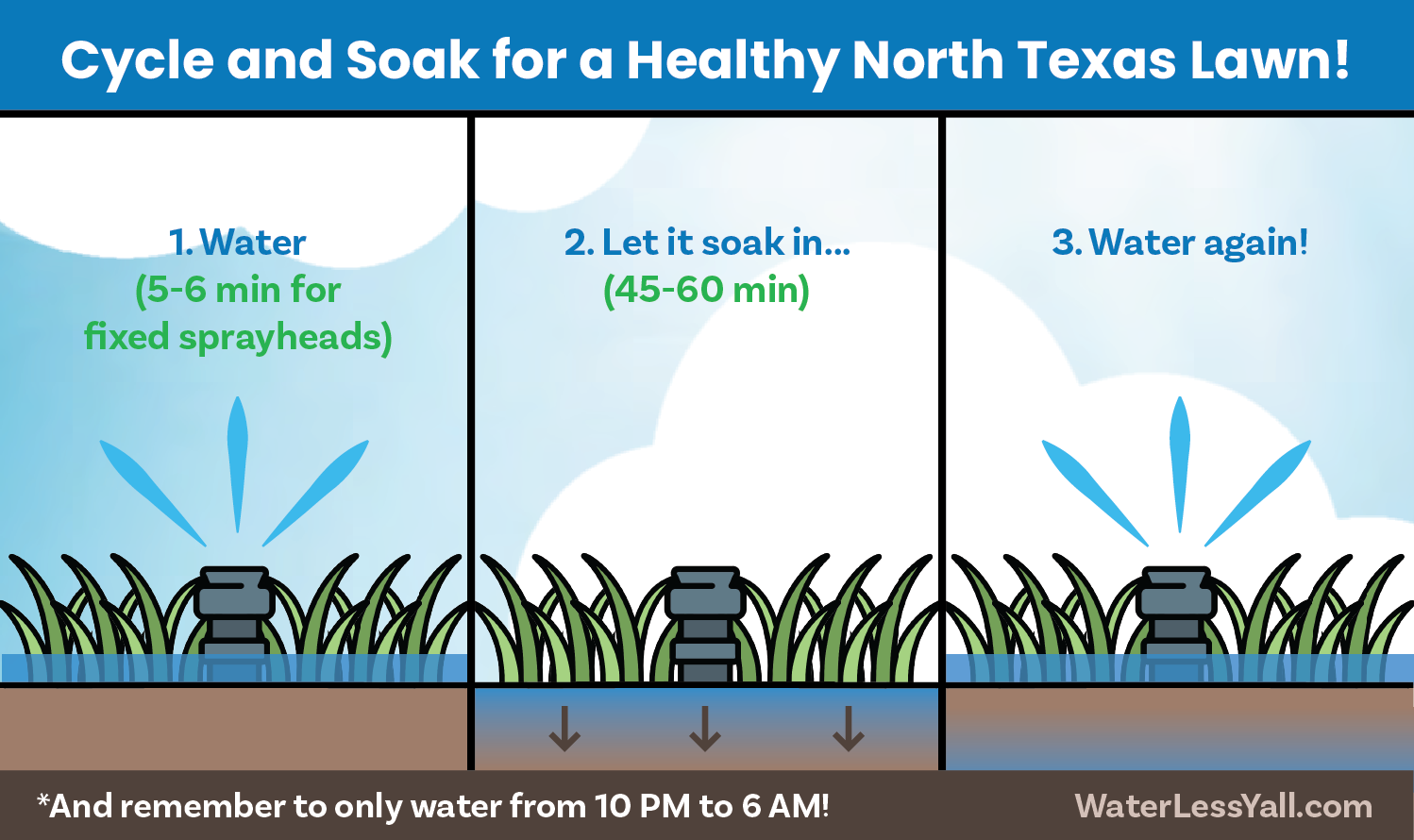
‘Cycle & Soak’ is an effective way to water by allowing the yard to absorb the water and not run off onto the street.
Sprinkler Upgrades
There are easy and inexpensive upgrades you can do to your sprinkler system to make it more efficient. Smart controllers, multi-stream (or MP rotors) heads and pressure regulating sprinkler bodies can help you save water. Learn about these in the video to the left.
Drip Irrigation
Drip irrigation is the most efficient method of watering. Learn how to operate drip, make easy repairs, and convert a sprinkler zone to drip.
Rain / Freeze Sensor
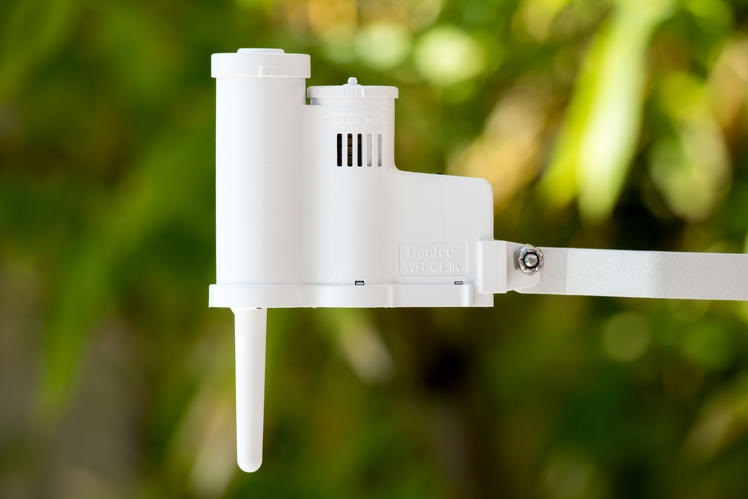
Rain / Freeze sensors will turn off sprinkler systems once enough rain has been received or if temperatures drop below freezing.
Watering Time of Day
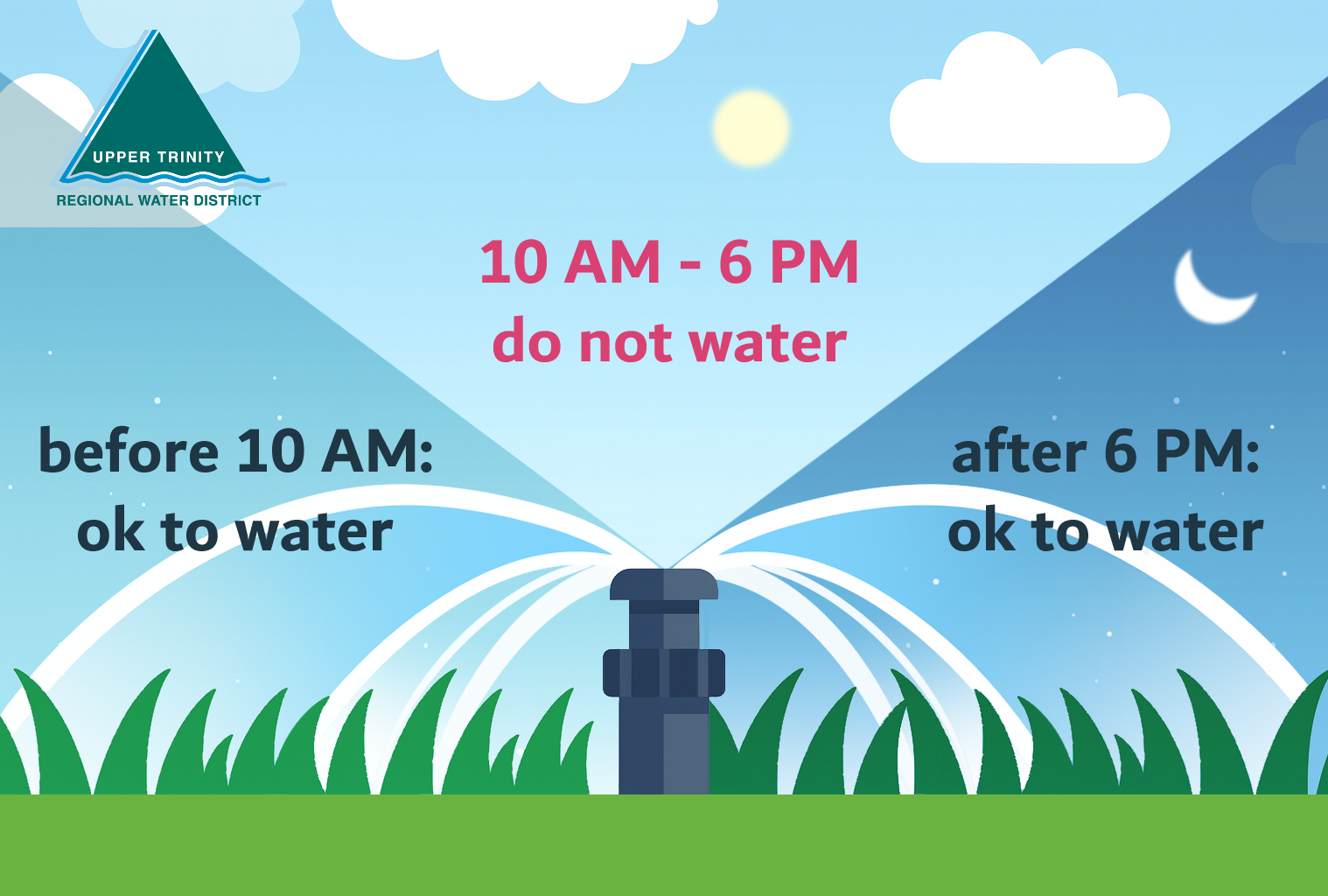
In many communities, irrigation is not allowed between 10 AM and 6 PM. It is best to water early morning (12 AM to 6 AM) to avoid water loss due to evaporation and wind.
Foundation Watering
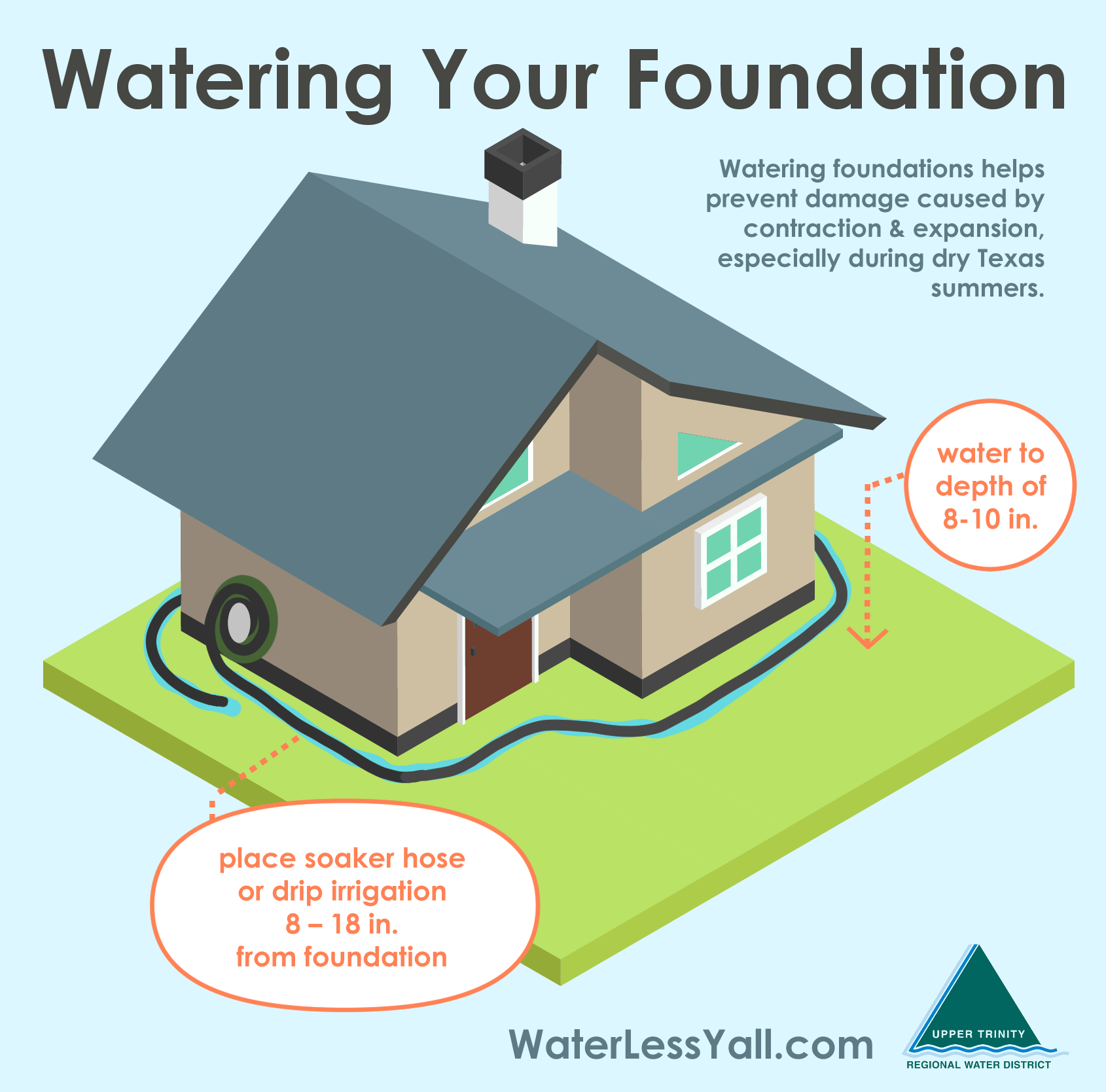
North Texas clay soils are notorious for shrinking and swelling which can damage the foundation of your home. Here are tips to water appropriately to protect them.
Winter Watering
Watering is generally not needed from November to March, so controllers can be turned off during this time. Other actions may be taken to winterize your lawn and sprinklers.
Lawn & Garden Care
Soil
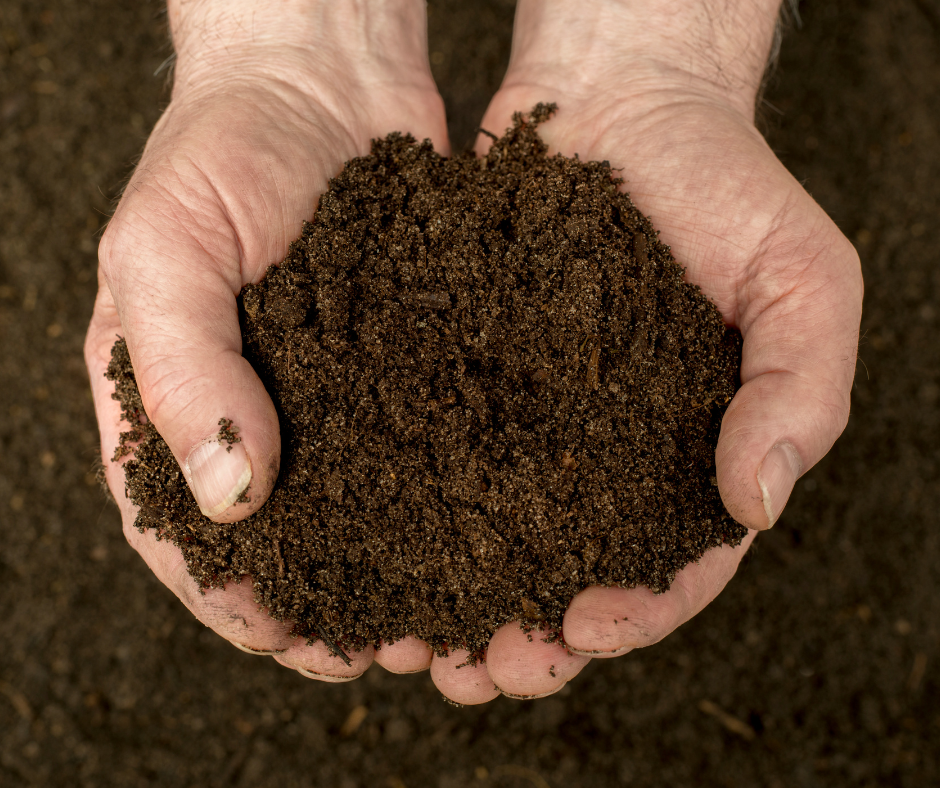
Healthy soil is the foundation of any landscape. Healthy soil holds more water and contains more nutrients for plants.
Lawn Care
A healthy lawn is more than just green grass. Proper watering, fertilization and soil management ensures a resilient, water lawn.
Composting & Mulch
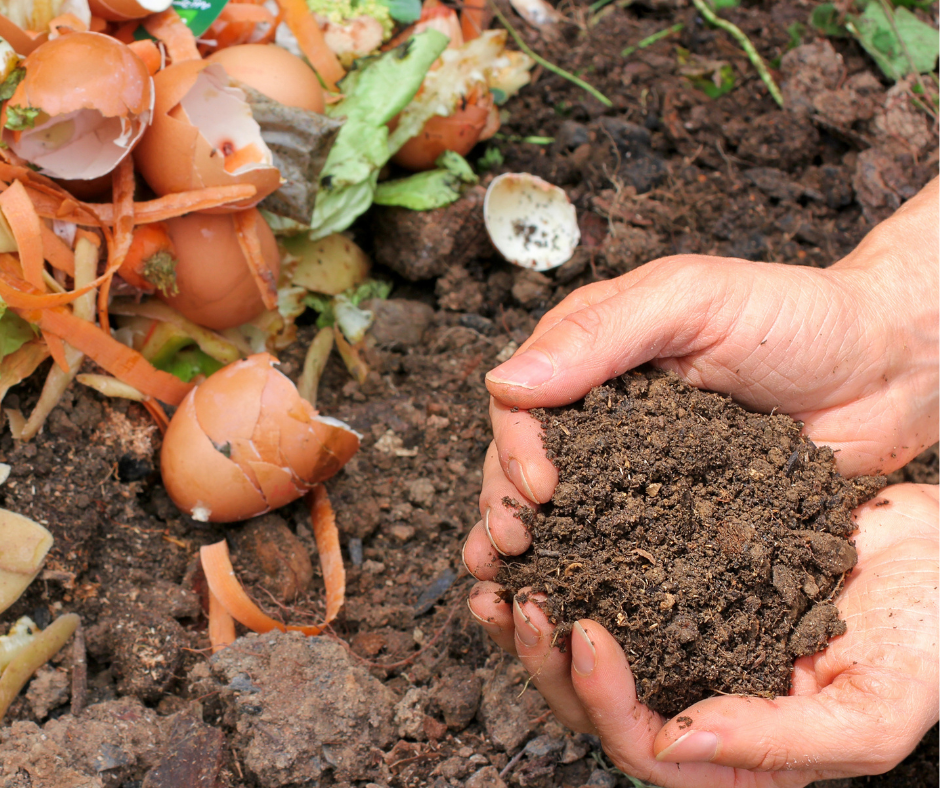
Composting is an excellent way to use food and yard waste at home to improve your soil. Wood mulch (2-4″ thick) will lock in soil moisture and moderate soil temperatures in your flower beds and garden.
Fertilizers & Herbicide
Fertilizers, herbicides and other yard chemicals should only be used as needed and according to the label. These chemicals can negatively impact nearby waterbodies. Try organic instead!
Mowing
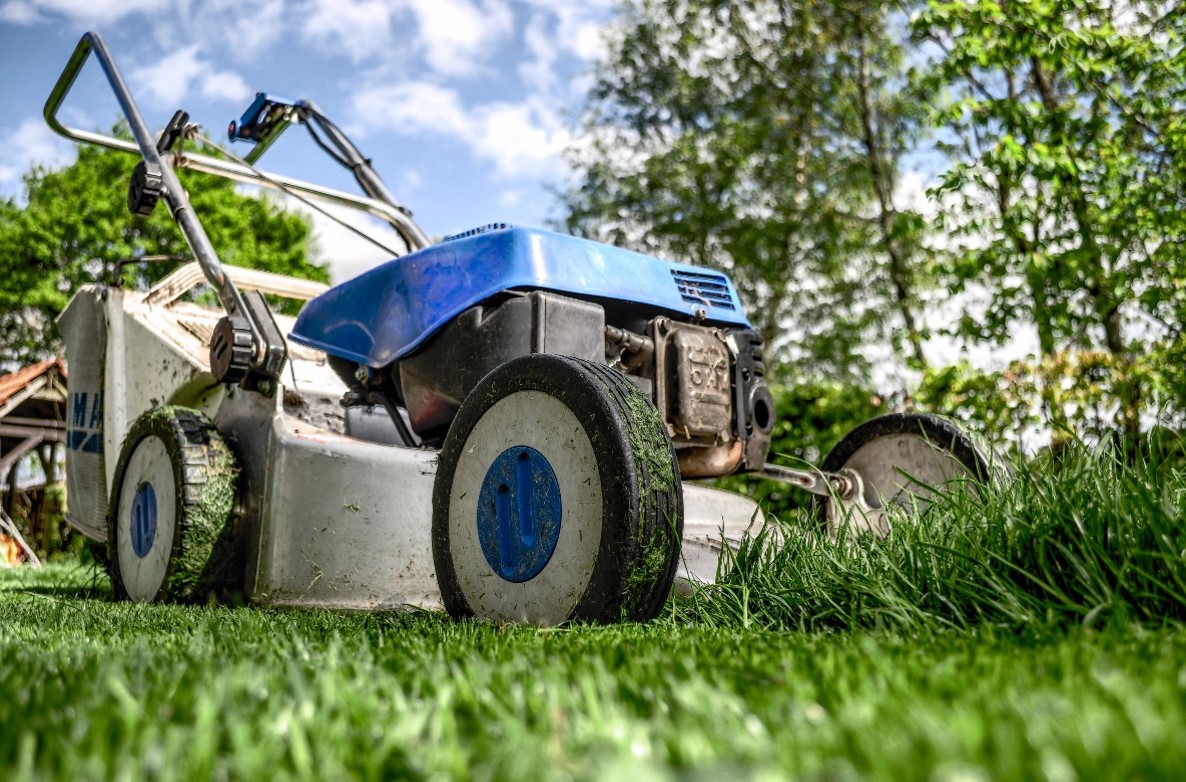
Mowing at the highest setting and spreading grass clippings across the lawn leads to healthier lawns.

Visit the Master Gardeners
Denton County Master Gardeners have excellent resources on yard preparation, native plant selection and design, and a Help Desk if you have additional questions.
Native Plants
Native Plant Selections
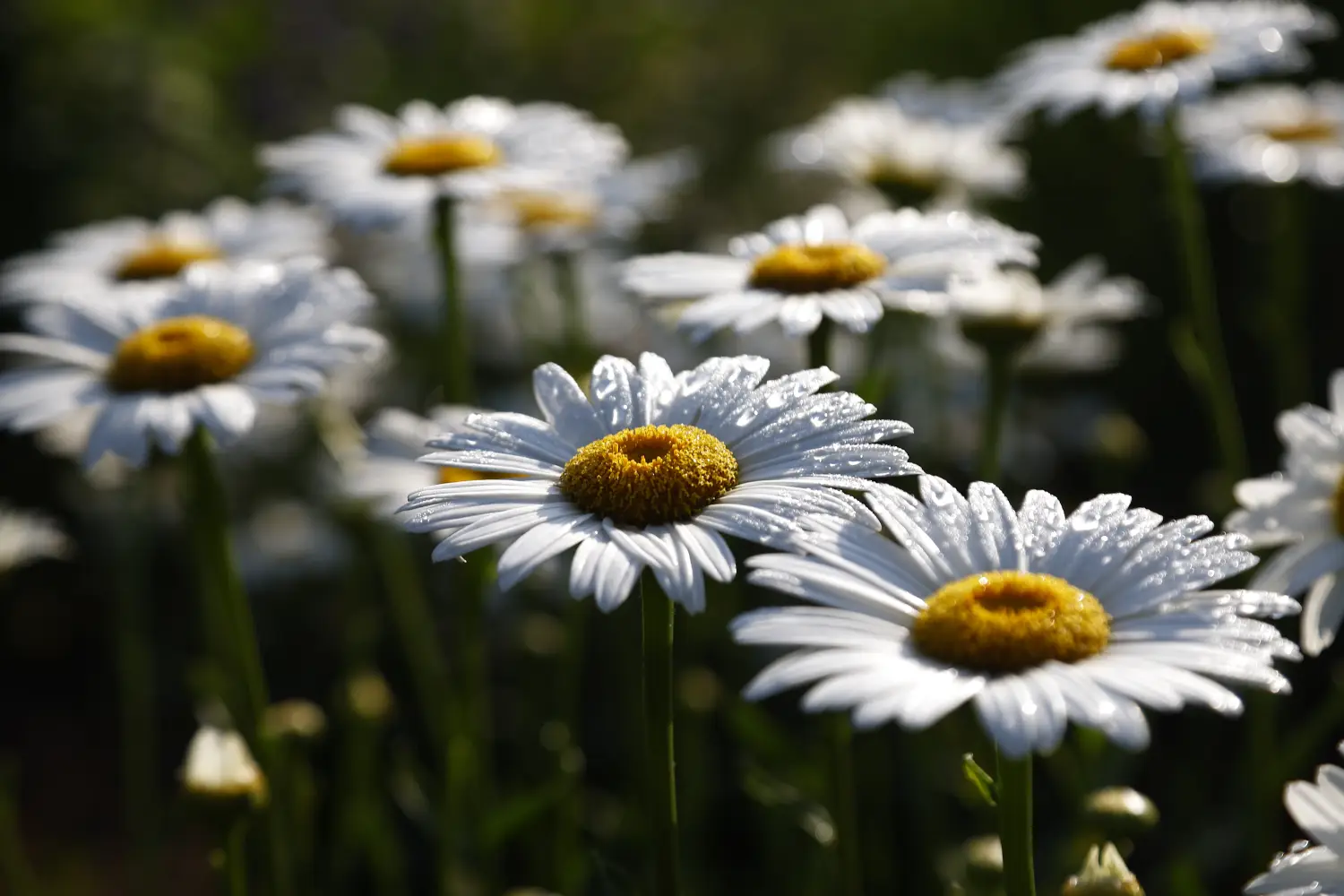
Putting plants native to North Texas helps you save water while having a beautiful landscape that butterflies & other pollinators will call home.
Landscape Design References
Beautiful, water wise landscapes begin with good planning and design. Knowing which plants to select and where to plant is crucial. Working with your HOA from the beginning is also important for success.
Rainwater
Rain Barrels
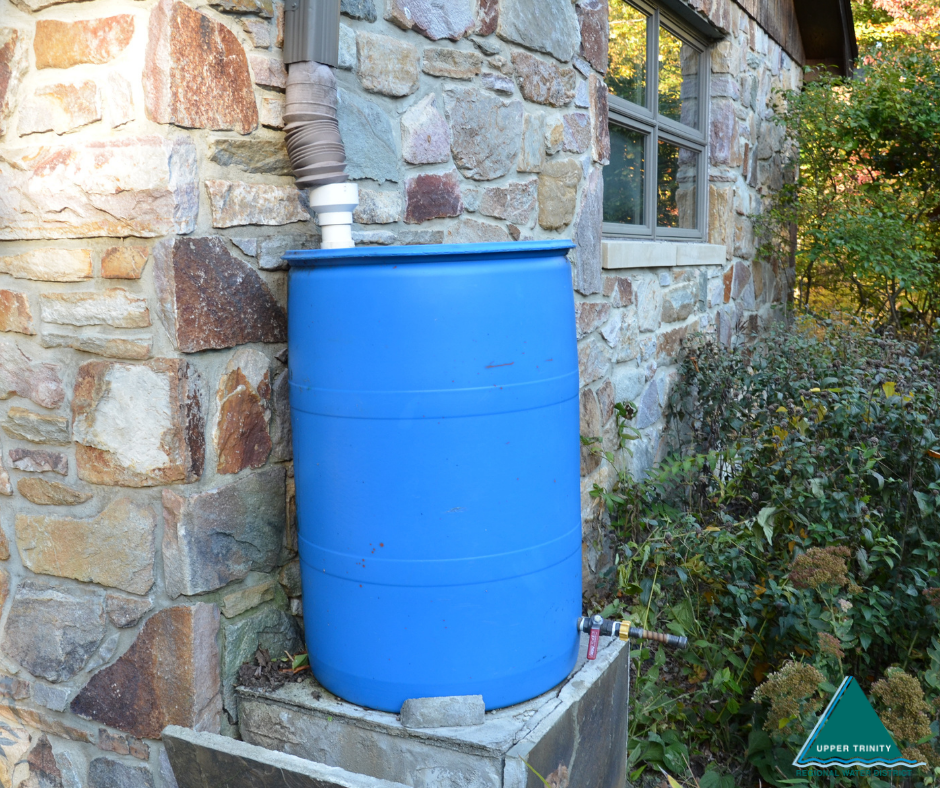
Rainwater is the BEST water for plants and harvesting rain is a great way to reduce the demand on our water supplies!.
Rain Gardens
Raingardens are vegetated depressions that can collect rainwater and allow it to absorb into the soil.